Type 1 Cycling

Monday, March 25, 2013
Religion and Diabetes - Part 3 - Passover
I cannot speak for other religions but Judaism certainly presents some challenges for a person with Diabetes. I grew up traditional orthodox and became more observant in my teens. What that meant throughout my formative years was strict observance to the dietary laws (kashrut), building a temporary dwelling on Succot, fasting on Yom Kippur, cleaning the house for Passover (including changing over the the "passover set" of crockery, pots and pans, and cutlery, and eating so much eating.
Someone once described the Jewish festivals as "Some people tried to kill us, we survived, lets eat!" Passover is the very essence of the this lighthearted saying. As the verse goes, "Once we were slaves, now we are free men"
The festival of Passover is a week long festival that has a holy day on the first and last day. The middle is a semi holy day where many of the the laws of the festival applies but we are not prohibited from doing work. The first night (Jewish days always begin after dark) we celebrate the Seder, the retelling of the exodus from Egypt. We read the story (in our house in a mixture of Hebrew and English, so that everyone understands), we eat foods that remind us of the slavery (bitter herbs), and Matza the unleavened bread they took with them on their escape. We eat Charoset that reminds of the cement they used to use to build the cities of Pitom and Ramses (The Children of Israel did not build the Pyramids). We dip vegetables in salt water to remind us of their tears as they cried out to God for saviour.
As I mentioned we eat Matza on Passover. We eat it because our ancestors did on their exodus. But the laws are more strict than that. We are forbidden to eat anything that is leaven or may become leaven. So no bread, but also no wheat (or other grain) products of any sort for a week. We go further. We may not own, or benefit from leaven in anyway. Even further, we clean out our house, we change to a different set of plates, cutlery and pots and pans. We remove all possibility from our lives that we may by accident or otherwise eat or benefit from leaven.
Let me expand, that means no bread, no pasta, no beer, no whisky, not crackers, cookies or biscuits and not cake. As Ashkenazim (Jews of European descent) we are also forbidden to eat kitniyot. This is a category of food that is also banned. The reasons given are: That it swells when cooked (so is sort of leaven); it can be ground into flour of sorts; and that in the olden days they were sold close to or from the same sacks as the wheat so were often intermingled. As far as I am aware the only truly plausible reason is the last one, and as we are in a day and age where things are packaged and sold in a way where this is unlikely it is certainly time for a change. This category include all beans and lentils and rice. At this point carbohydrate wise I am down to matza and potatoes.
So I went to a Rabbi. The same Rabbi that told me not to fast on Yom Kippur. He looked into it and got back to me. He said that as the not eating kitniyot rule was just a tradition and not an actual law or prohibition I was able to eat "the forbidden fruit." It is a considered a stricture that was undertaken. I would not have undertaken such a stricture had I known the complications of managing diabetes without some common long chain sugars and so I am able to get out of this undertaking. Again we come back to the idea that Pikuach Nefesh (saving of life) refers to the maintenance of a healthy life and not just preventing death. And that this supersedes many laws and strictures that might cause a problem with a chronic condition.
This makes life very easy here in Israel. As there are many more people of the Sephardi heritage here, who allow the eating of kitniyot in general many foods that are "Kosher for Passover" are only OK if you are allowed to eat kitniyot. This presents a problem to many Ashkenazim that live here. Not me, I can eat what I want (as long as it is actually Kosher for Passover). This is great Houmus and rice are a staple for me and being able to eat the normal foods that I eat the rest of the year allow me to keep balanced for the week of Passover.
This really does make a big difference to me, I do not have to worry about having a range of foods that I can eat to keep me going or give me a pick up. I still have to worry about the pick family meals. Over the week there will be at least 6 (both of the festive days at the beginning and end and the Shabbat in the middle). As I said in part 1 of this series these meals can take a toll and with so many in quick succession I can see I am going to need to find some time to get out on my bike.
Live long and stay healthy
Have a happy and kosher Passover

Sunday, March 24, 2013
Religion and Diabetes - Part 2 - Yom Kippur and other fast days
I cannot speak for other religions but Judaism certainly presents some
challenges for a person with Diabetes. I grew up traditional orthodox
and became more observant in my teens. What that meant throughout my
formative years was strict observance to the dietary laws (kashrut), building a temporary dwelling on Succot, fasting on Yom Kippur, cleaning the house for Passover (and changing over the the "passover set" of crockery, pots and pans, and cutlery, and eating so much eating.
Yom Kippur is the most holy day of the year. It is the day of atonement, we fast for 25 hours, pray in synagogue all day and at the end of it we are forgiven for everything we have done wrong over the year. We wish each other that they should be inscribed in the book of life. Many people who observe nothing all year observe Yom Kippur. The synagogues are overflowing, some reaching out specifically to the "Once a year Jews". Here in Israel there is an additional part of the festival that you do not get anywhere else. Everyone (ok not everyone - doctors and critical workers may have to work) is off work. People will still fast but often not go to synagogue, they will walk the streets. And I mean the streets, people will be out on their bikes too. There is an unwritten rule that people do not drive for the whole 25 hours of Yom Kippur. The streets are alive with people wandering with nothing else to do. It is quite an experience. Though I would suggest to any potential tourists that they do not come at this particular time as there is literally nothing to do (except of course walk the streets).
Yom Kippur is not the only fast day on the calendar there are 6 more. Only 1 of these other than Yom Kippur, is for 25 hours (and is the summer, which is hard work) the rest are dawn till dusk. Before Yom Kippur and after there are big meals, as you might expect. This presents a double problem of balancing taking insulin for the meal, as I talked about in part 1, and getting it right for the fast. The first year I after I was diagnosed I checked with my medical team and my Rabbi whether I could fast. I did. I checked my BG every hour and I had dextrose tablets on me in case. I was fine. Probably because I was still in my honeymoon period. The trick was not to take much insulin at all.
The following year I had moved to Israel, and my Rabbi called me up a few days before the fast. He said that some Rabbi that he knew of and respected had taken out a full page advert in a religious newspaper. The advert said that under no circumstances should a Diabetic fast on Yom Kippur. Well that solves that one. I think something may have happened to someone who tried to fast the previous year. As a result, under the law of Pikuach Nefesh (saving life) Diabetics are now prohibited from fasting on Yom Kippur. He went on to say that not only should I eat, but I should eat proper meals as if it was a regular Jewish festival (ie not just enough to keep my alive).
This makes Yom Kippur weird for me, I am in synagogue praying but not starving, I am thinking when am I going to skip out and get some lunch. I put much more effort into my prayers as I cannot fulfil the commandment to fast, despite being told that because I have to eat, then eating is counted as if I had fasted. It's a strange religion sometimes, but it can be bent so that I am able to manage my disease and still observe what I wish to observe.
Live long and stay healthy.
Yom Kippur is the most holy day of the year. It is the day of atonement, we fast for 25 hours, pray in synagogue all day and at the end of it we are forgiven for everything we have done wrong over the year. We wish each other that they should be inscribed in the book of life. Many people who observe nothing all year observe Yom Kippur. The synagogues are overflowing, some reaching out specifically to the "Once a year Jews". Here in Israel there is an additional part of the festival that you do not get anywhere else. Everyone (ok not everyone - doctors and critical workers may have to work) is off work. People will still fast but often not go to synagogue, they will walk the streets. And I mean the streets, people will be out on their bikes too. There is an unwritten rule that people do not drive for the whole 25 hours of Yom Kippur. The streets are alive with people wandering with nothing else to do. It is quite an experience. Though I would suggest to any potential tourists that they do not come at this particular time as there is literally nothing to do (except of course walk the streets).
Yom Kippur is not the only fast day on the calendar there are 6 more. Only 1 of these other than Yom Kippur, is for 25 hours (and is the summer, which is hard work) the rest are dawn till dusk. Before Yom Kippur and after there are big meals, as you might expect. This presents a double problem of balancing taking insulin for the meal, as I talked about in part 1, and getting it right for the fast. The first year I after I was diagnosed I checked with my medical team and my Rabbi whether I could fast. I did. I checked my BG every hour and I had dextrose tablets on me in case. I was fine. Probably because I was still in my honeymoon period. The trick was not to take much insulin at all.
The following year I had moved to Israel, and my Rabbi called me up a few days before the fast. He said that some Rabbi that he knew of and respected had taken out a full page advert in a religious newspaper. The advert said that under no circumstances should a Diabetic fast on Yom Kippur. Well that solves that one. I think something may have happened to someone who tried to fast the previous year. As a result, under the law of Pikuach Nefesh (saving life) Diabetics are now prohibited from fasting on Yom Kippur. He went on to say that not only should I eat, but I should eat proper meals as if it was a regular Jewish festival (ie not just enough to keep my alive).
This makes Yom Kippur weird for me, I am in synagogue praying but not starving, I am thinking when am I going to skip out and get some lunch. I put much more effort into my prayers as I cannot fulfil the commandment to fast, despite being told that because I have to eat, then eating is counted as if I had fasted. It's a strange religion sometimes, but it can be bent so that I am able to manage my disease and still observe what I wish to observe.
Live long and stay healthy.
Saturday, March 23, 2013
Religion and Diabetes - Part 1 - Eating so much eating
I cannot speak for other religions but Judaism certainly presents some challenges for a person with Diabetes. I grew up traditional orthodox and became more observant in my teens. What that meant throughout my formative years was strict observance to the dietary laws (kashrut), building a temporary dwelling on Succot, fasting on Yom Kippur, cleaning the house for Passover (including changing over the the "passover set" of crockery, pots and pans, and cutlery, and eating so much eating.
Someone once described the Jewish festivals as "Some people tried to kill us, we survived, lets eat!" This appears to be mostly true, along with some other crazy things too.
So lets start with just the eating. Every Friday night the Shabbat (the sabbath) starts and after evening prayers there would be a meal, often with guests and usually at least 3 courses. Standard meals growing up in the UK would be something like:
Starter: one of Smoked salmon/Chopped liver/ Houmus and dips (with Challah - the traditional platted loaf, very tasty but white flour and often sweet)
Soup: Chicken soup (Jewish penicillin - NB it does NOT cure diabetes) , with coutons and vermicelli, and more Challah.
Main course: Roast chicken, roast potatoes, vegetables and salad
Desert: one of Ice cream (non milky - I will get to that in a minute) / sorbet / mouse / pie
If it was just the nuclear family it might not be as extravagant as that, and there were of course some variations but the more guests the more people. And more often than not there were guests. Either we went to another family or we were in with one. On Shabbat morning there was a Kiddush after services (a pseudo communal meal - ranging from snacks like crisps and nuts and pickled or chopped herring to sandwiches and sometimes even hot food). After finishing at the synagogue we had another meal, usually cold meats and salads (as there is a prohibition of cooking on Shabbat). The prohibition of cooking does not extend to something cooked on continual heat since before the Shabbat starts on Friday evening. Which is where we get Cholent from, a delicious meat stew with potatoes and other vegetables. Everyone has their own recipe and they range in style. The Sephardic tradition - Eastern and Spanish (I am from the Ashkenazi tradition - European) has a similar thing with rice called Hamin.
As a student we regularly had 10 - 15 people for Friday night dinner and again for Shabbat lunch. There were a lot of Jewish students in Manchester and once we gained a reputation for catering they would call us up (before hand - no using the phone on Shabbat) and invite themselves over.
The one thing to mention is that there really was not much alcohol involved, sure when we were students there was a bit more than with my family but honestly I did not grow drinking at these meals, nor did I see the adults consuming alcohol either, certainly not in any quantity.
I did not grow up with Diabetes myself, but my brother was diagnosed when he was 13 and I was 15. I remember every Shabbat meal out at friends when the desert came out. My brother taking some, and my mother asking "Are you sure?" and the irritated reply "I asked what was for desert and took extra insulin". I don't doubt it was hard for him, so much food and estimating the right amount of insulin to take must have been hard, and then sticking to eating the right amount of food too.
I wont lie, cooking and eating together as a family, extended or otherwise, or a group of close friends has a lot of merits. You eat slower, you know what is in your food. We never bought much processed or prepared (I mean no sauces, no pizzas, no microwaveable meals) food growing up or as students. The strict laws of kashrut make this very difficult. You must only have Kosher meat, not mix meat and milk products, even vegetarian products cannot always be relied upon. As a result things were cooked from scratch. Less additives, you know exactly what you are eating. It HAS to be healthier. Its just the quantity, and something I have always suffered from second helpings. I might estimate for a plate of food, but if its delicious and there is more I will go back for seconds. But I didn't estimate for that. Getting it right takes practice. But being involved with food helps a lot.
I must add that there is a very important law in Judaism, and that is Pikuach Nefesh. The commandment to save someones life, be it your own or someone elses. It extends to protecting ones health in many ways too. This is very important. It means that if there is no kosher sensible alternative I can eat what ever I need to stay alive. In fact any commandment (and there are many) can be broken in order to protect the health or life of an individual. The Rabbi of my community would drive kids to hospital on Shabbat if they fell and broke their arm. There are somethings that cannot be done to save a life, like kill someone else, but otherwise most things are fair game in an emergency.
I have been cooking Friday night dinners since I was 14 and unsupervised since I was 15/16. Since then I have expanded my repertoire and I still have a kosher home. Mostly I would say that Kashrut itself does not pose a problem with living with Diabetes, if anything strict adherence can help, by having to do it all yourself. But the attitude too food is where the problem starts. My wife always says her family likes to show love through food. Its true, her parents and grandmothers are fantastic cooks. And there is always leftovers to take home to put in our fridge.
Often on a Friday night with guests I am so busy that by the time I sit down to say the blessings before we start I have completely forgotten to test and take Insulin. I usually remember half way through soup. Its not the end of the world but it is frustrating. Everyone is eating and I am busy swapping needles, and pricking my finger. Over the years I have gotten better at estimating and if we are out I am not afraid to ask whats in something. At one family who knows me well, I will be taken aside and and given a guided tour of all the food before hand so I know what I can and cannot eat.
I am thankful for what I have got from Judaism but its not always easy on the Diabetes.
Live long and healthy
Shabbat Shalom
Someone once described the Jewish festivals as "Some people tried to kill us, we survived, lets eat!" This appears to be mostly true, along with some other crazy things too.
So lets start with just the eating. Every Friday night the Shabbat (the sabbath) starts and after evening prayers there would be a meal, often with guests and usually at least 3 courses. Standard meals growing up in the UK would be something like:
Starter: one of Smoked salmon/Chopped liver/ Houmus and dips (with Challah - the traditional platted loaf, very tasty but white flour and often sweet)
Soup: Chicken soup (Jewish penicillin - NB it does NOT cure diabetes) , with coutons and vermicelli, and more Challah.
Main course: Roast chicken, roast potatoes, vegetables and salad
Desert: one of Ice cream (non milky - I will get to that in a minute) / sorbet / mouse / pie
If it was just the nuclear family it might not be as extravagant as that, and there were of course some variations but the more guests the more people. And more often than not there were guests. Either we went to another family or we were in with one. On Shabbat morning there was a Kiddush after services (a pseudo communal meal - ranging from snacks like crisps and nuts and pickled or chopped herring to sandwiches and sometimes even hot food). After finishing at the synagogue we had another meal, usually cold meats and salads (as there is a prohibition of cooking on Shabbat). The prohibition of cooking does not extend to something cooked on continual heat since before the Shabbat starts on Friday evening. Which is where we get Cholent from, a delicious meat stew with potatoes and other vegetables. Everyone has their own recipe and they range in style. The Sephardic tradition - Eastern and Spanish (I am from the Ashkenazi tradition - European) has a similar thing with rice called Hamin.
As a student we regularly had 10 - 15 people for Friday night dinner and again for Shabbat lunch. There were a lot of Jewish students in Manchester and once we gained a reputation for catering they would call us up (before hand - no using the phone on Shabbat) and invite themselves over.
The one thing to mention is that there really was not much alcohol involved, sure when we were students there was a bit more than with my family but honestly I did not grow drinking at these meals, nor did I see the adults consuming alcohol either, certainly not in any quantity.
I did not grow up with Diabetes myself, but my brother was diagnosed when he was 13 and I was 15. I remember every Shabbat meal out at friends when the desert came out. My brother taking some, and my mother asking "Are you sure?" and the irritated reply "I asked what was for desert and took extra insulin". I don't doubt it was hard for him, so much food and estimating the right amount of insulin to take must have been hard, and then sticking to eating the right amount of food too.
I wont lie, cooking and eating together as a family, extended or otherwise, or a group of close friends has a lot of merits. You eat slower, you know what is in your food. We never bought much processed or prepared (I mean no sauces, no pizzas, no microwaveable meals) food growing up or as students. The strict laws of kashrut make this very difficult. You must only have Kosher meat, not mix meat and milk products, even vegetarian products cannot always be relied upon. As a result things were cooked from scratch. Less additives, you know exactly what you are eating. It HAS to be healthier. Its just the quantity, and something I have always suffered from second helpings. I might estimate for a plate of food, but if its delicious and there is more I will go back for seconds. But I didn't estimate for that. Getting it right takes practice. But being involved with food helps a lot.
I must add that there is a very important law in Judaism, and that is Pikuach Nefesh. The commandment to save someones life, be it your own or someone elses. It extends to protecting ones health in many ways too. This is very important. It means that if there is no kosher sensible alternative I can eat what ever I need to stay alive. In fact any commandment (and there are many) can be broken in order to protect the health or life of an individual. The Rabbi of my community would drive kids to hospital on Shabbat if they fell and broke their arm. There are somethings that cannot be done to save a life, like kill someone else, but otherwise most things are fair game in an emergency.
I have been cooking Friday night dinners since I was 14 and unsupervised since I was 15/16. Since then I have expanded my repertoire and I still have a kosher home. Mostly I would say that Kashrut itself does not pose a problem with living with Diabetes, if anything strict adherence can help, by having to do it all yourself. But the attitude too food is where the problem starts. My wife always says her family likes to show love through food. Its true, her parents and grandmothers are fantastic cooks. And there is always leftovers to take home to put in our fridge.
Often on a Friday night with guests I am so busy that by the time I sit down to say the blessings before we start I have completely forgotten to test and take Insulin. I usually remember half way through soup. Its not the end of the world but it is frustrating. Everyone is eating and I am busy swapping needles, and pricking my finger. Over the years I have gotten better at estimating and if we are out I am not afraid to ask whats in something. At one family who knows me well, I will be taken aside and and given a guided tour of all the food before hand so I know what I can and cannot eat.
I am thankful for what I have got from Judaism but its not always easy on the Diabetes.
Live long and healthy
Shabbat Shalom
Friday, December 7, 2012
Cycling at the olympics
Its been months since I was in London. But I have fond memories and a nice teeshirt from the week I spent at the Olympics. I attended 6 events in total but the highlights were the first and last events that I attended the Cycling Time Trial at Hampton Court Palace, and the very last night at the velodrome. The atmosphere at all the events was amazing, but somehow got turned up to 11 when a British contender was doing well or even winning the gold medal. And I got to see some of my cycling heroes win medals. So here are some pictures, the highlights of these events.
Enjoy the whole album here
Here are some of my favourites.


Enjoy the whole album here
Here are some of my favourites.
 |
| Wearing my home made Go Wiggo teeshirt |
 |
| My view of the screen showing Hampton Court Palace |
 |
| Lizzie Armistead coming home |
 |
| Lizzie Armistead coming past me |
 |
| Everyone out having a great time, and sporting some gold too |
 |
| Fumiyuki Beppu |
 |
| Michael Albasisni |
 |
| Banter with the guys across the street |
 |
| Ryder Hesjedal |
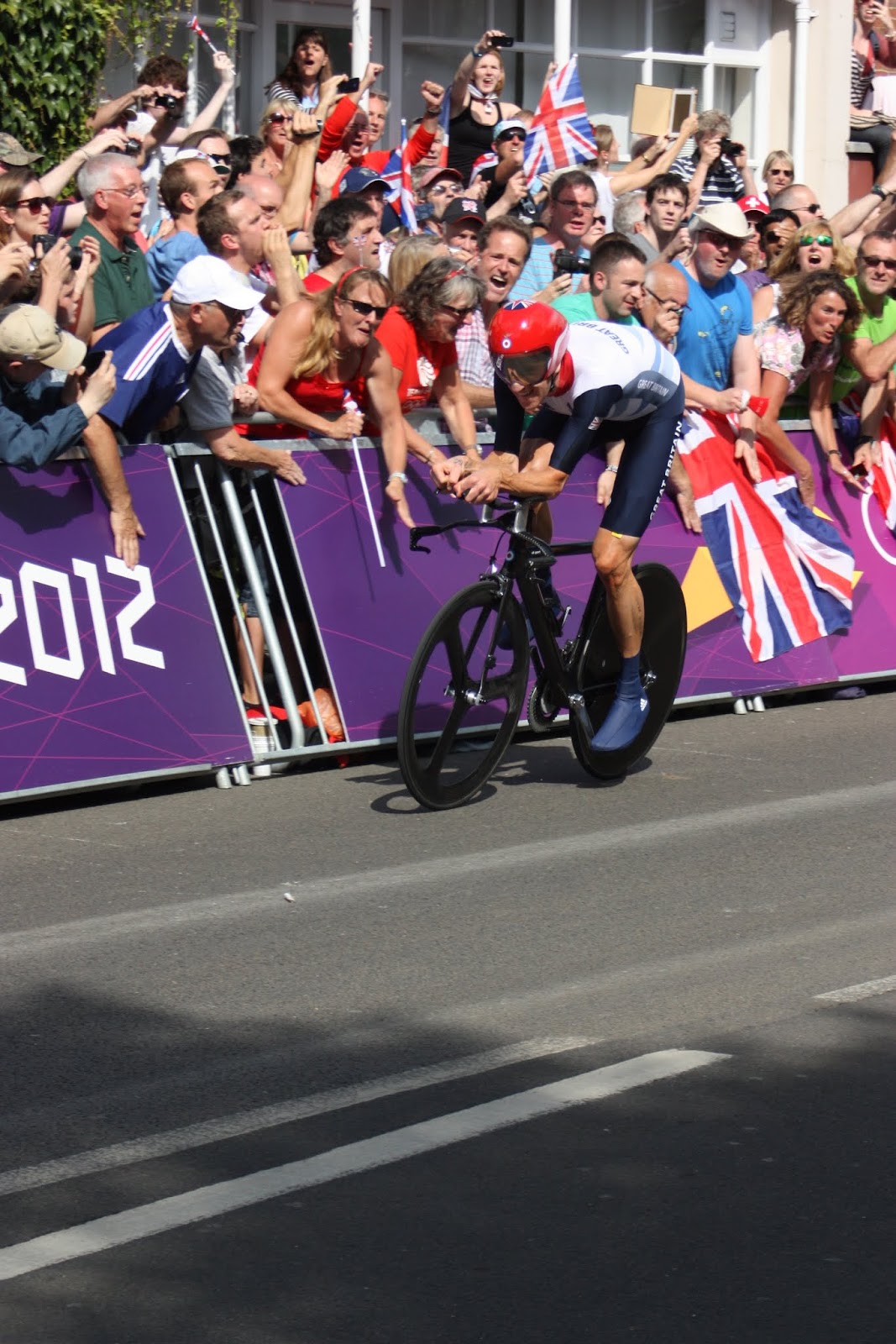 |
| Wiggoooooo... |
 |
| ...oooooooooooo.. |
 |
| ...oooooooooo... |
 |
| ...oooo...GONE |
 |
| Spartacus in pain |
 |
| poorly dressed but awesome |
 |
| state of the art velodrome |
 |
| warming up |
 |
| Vicky P in the semi final |
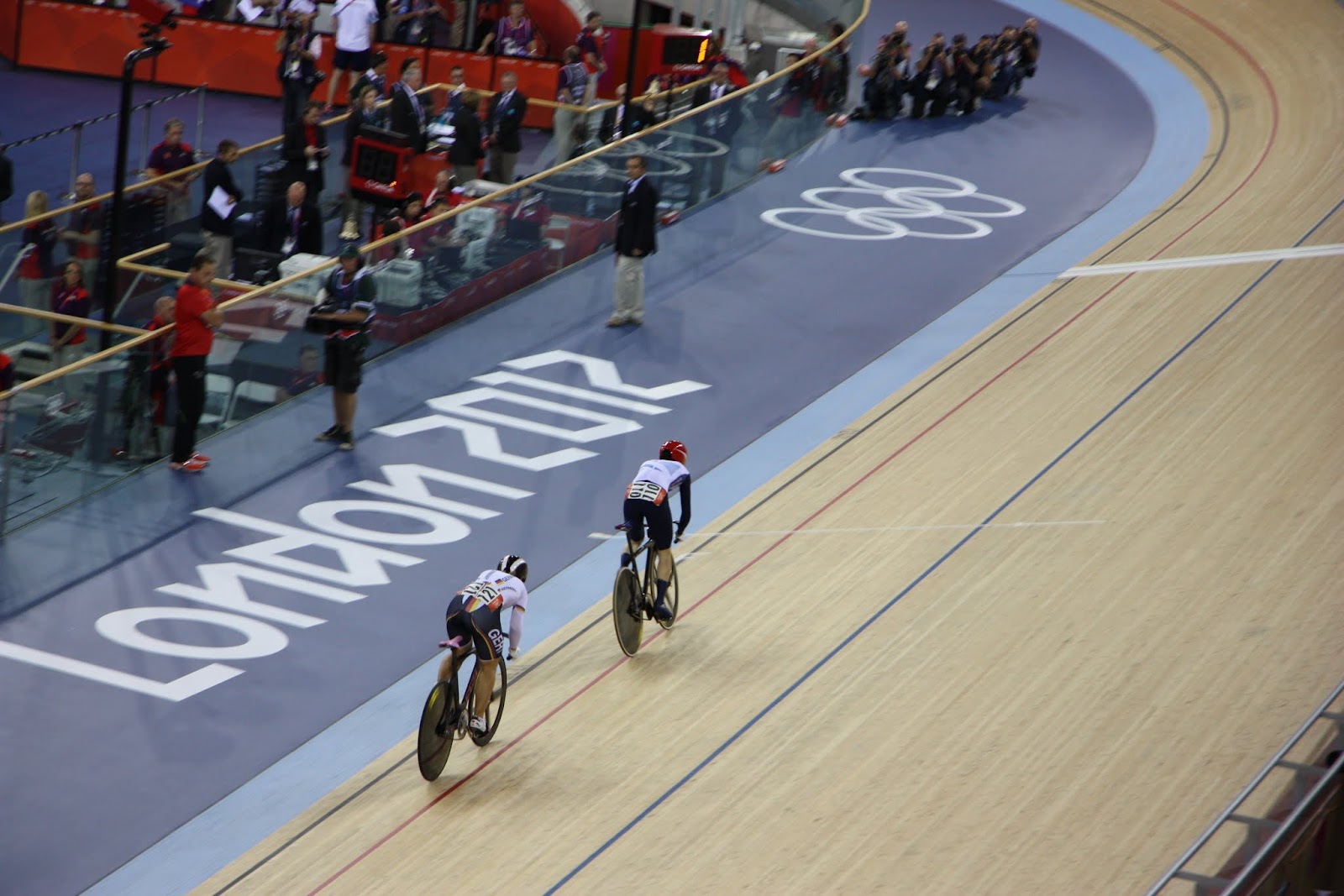 |
| wins it be a mile |
 |
| Laura Trott in the scratch race - ominium |
 |
| More of the scratch race |
 |
| Victorious Trotty after winning the 500m TT and the ominium |
 |
| Vicky P in the sprint final |

 |
| Start of the Keirin final |


 |
| Chris Hoy coming round the final bend to take the win |
 |
| Yesssss! |
 |
| Chris Hoy becoming the most successful British olympian |
Wednesday, November 14, 2012
Diabetic Online Community - Israel #ILDOC
ההודעה בעברית בהמשך
I have been on twitter with my handle @type1cycling for no more than a fortnight. I have met many diabetics who share other interests of mine, endurance training, cycling or generally being a geek. I have been constantly amazed at the friendliness and how some many people want to get involved to make things a little better for the Diabetic community. On twitter there is a hashtag for general diabetic stuff #doc - for Diabetic Online Community. A while back someone in the UK decided that he wanted to get more involved and focus some of that energy. He decided that though it is a global problem there are many local issues involved with a diabetic life. These things can range from where to get treatment or diabetic supplies to the amount of sugar in certain foods. Foods that may not be common in one country but literally grown on trees in another. There is a need for a local and local language discussion.
My new friend started a hashtag #GBDOC. He used it to host a tweet chat, that tweet chat now reaches 8 millions people. They have up to 600 contributors. There is no doubt in my mind that it is doing some good. He has launched a website to post the latest transcripts from the weekly online get together and other helpful information about diabetes. His goal is to find people to run these simple things in every country. Specifically focused around the local language as well as the local themes. He has invited me to get involved and set up #ILDOC. I am happy to do so. I intend to have the first chat on 21st November at 2100 IDT.
My experience over the past few weeks has told me that not everyone how suffers from Diabetes has a good network of people they can rely upon, not just for medical advice but support and attention. I am lucky I have diabetic brother and some friends too. I work hard at my diabetes care and pay attention to what my health care professionals tell me.
Anyone can come to the tweet chat, it will be in a mixture of Hebrew and English. You do not have to be in Israel to join in, though I hope many people in Israel will be in attendance. You do not have to be diabetic to join in either, I hope families and friends of diabetics can come join and share their experiences too. Maybe some healthcare professionals could also join to give some medical advice.
If you want to help, get involved or have any ideas, let me know.
למרות שאני פעיל בטויטר בשם @type1cycling רק כמה ימים, אני כבר פגשתי הרבה חולי סכרת אשר חולקים איתי אינטרסים כגון אימון סיבולת, רכיבה על אופניים או בעצם העובדה שאני קצת חנון. אני מתפעל בנחמדות ובכמות האנשים אשר מעוניינים להיות מעורבים בשיפור חייהם של קהילת חולי הסוכרת. בטוויטר יש hashtagלעניינים כללים של חול סכרת – #doc – Diabetic Online Community, אך בן אדם באנגליה, שהכרתי לא מזמן, החליט שהוא רצה להיות מעורב ולמקד את הנושא. למרות שמדובר בבעיה גלובאלית, ישנם הרבה נושאים מקומיים הקשורים לחיים עם סכרת – איפה ניתן לקבל טיפול הולם, למצוא ציוד מתאים ואף כמה סוכר יש במצור מסוים שייתכן ולא קיים במקום אחד אך נפוץ מאוד במקום אחר. נדרש שיח ושפה מקומית.
חברי החדש התחיל את ה- hashtag #GBDOC ושם אירח צ'אט בטוויטר. כיום, אותו צ'אט מגיע 8 מיליון אנשים ויש לו כ – 600 משתתפים. את התמלילים הוא מעלה לאתר אינטרנט בתקווה שהמידע שנאסף יספק מידע שימושי על סכרת. אחת ממטרותיו הינו למצוא אנשים לנהל דברים דומים במדינות שונות בעולם – שיתמקדו בנושאים מקומיים ובשפה המקומית. הוא ביקש ממני להיות מעורב ולהשיק את #ILDOC ואני שמח לעשות זאת. הצ'אט הראשון יתקיים ב – 21 בנובמבר 2012 בשעה 21:00 שעון ישראל.
בשבועות האחרונות הבנתי שלא לכל חולי הסוכרת יש רשת טובה של אנשים עליהם ניתן לסמוך, לא רק לייעוץ רפואי אך גם לתמיכה ותשומת לב – דבר חשוב וחיוני. מטרתנו היא לספק את אותה רשת מקשרת בו ניתן יהיה לשתף מידע וחוויות בין חולי סכרת וקרוביהם.
כל אחד יכול להשתתף בצ'אט בטוויטר, היא תתנהל באנגלית ועברית. אני מקווה שיהיו הרבה משתתפים שגרים בישראל, אך אין זה תנאי להשתתף בצ'אט. אני מקווה שישתתפו לא רק חולי סכרת, אלה גם המשפחות והחברים שלהם שיוכלו לבוא ולחלוק את חוויותיהם. בנוסף, נשמח אם ישתתפו אנשי מערכת הבריאות אשר יוכלו לתרום מהידע הרפואי שלהם בנושא.
אם יש לכם רעיונות מעניינים או שאתם רוצים להיות מעורבים או לעזור, אנא צרו איתי קשר.
My diagnosis
As it is World Diabetes Day today I though I would post about my diagnosis inspired by the story of @ninjabetic1 which is found on The Independent's website. Let me start off by saying I was one of the lucky ones. Like ninjabetic my brother also ended up in hospital with DKA (diabetic ketoacidosis). DKA is pretty horrible, when you become diabetic your body thinks you are starving because without insulin your cells do not get enough sugar. So the body compensates, fat and protein are broken down, this is significant people lose a huge amount of weight. This makes the problem even worse. Your cells still aren't getting enough sugar but the body is dumping more sugar into the blood. So your sugar rises and rises. The fats that get broken down release ketones into the blood stream. These ketones cause the blood to become acidic. It goes with out saying that this is bad. This is usually the point where people find out they are diabetic. Your body does not like having and acidic blood stream and it rejects it by telling you in no uncertain terms, pain, lots of it, and vomiting are the main ways.
How do people get to this point? Well they don't know, their parents/teachers or guardians don't and sometimes their doctors don't know either. What don't they know? They don't know how to recognise the symptoms of diabetes. DiabetesUK has a campaign on coinciding with World Diabetes Day to educate people about the 4 Ts. They are:
I was lucky, my brother had been diagnosed with Type1 Diabetes 12 years earlier. At that point, being the budding scientist that I was I learned all about it. In short when it happened to me I knew early, I knew so early that there was no rushing to get me an appointment with the specialist just a casual blood test and confirmation.
My Story:
October 2004, I had wrapped up my yearly Succot party. Since I was a student we had been having a get together once a year at my mum's house. Many (up to 10 in the house at once) of my friends would come over. We would build a Succah, cook up a storm. And have a great time. We had friends come for meals in the freezing cold and rain of Manchester. Plenty was eaten even more was drunk, and everyone had a good time. After a couple of days of this I woke up on the Monday morning to get ready to go back to work. I felt terrible, I was thirsty I had a headache, I was tired. Of course, I thought to myself. I am hungover. Too much partying. Tuesday morning was the same, and this time I knew I wasn't hung over and my thoughts went back to 12 year previous. I remembered how thirsty my brother was, he would drink coke because no one had any idea that it was making him worse. I remembered how tired he was, and ill all the time. And why did I need to pee all the time, this added up to one thing in my mind.
The thirst, tiredness and needing the toilet all the time got worse all week. That weekend I was staying with a friend. A friend I have known most of my life. He is also a doctor. I told him what was up, and what I thought it was and like a good friend told me to go see a doctor. Thanks for that! He checked some things in a textbook and we read up on it together. He told me that I needed a fasting blood glucose. A few days later I went to the doctor. I got my blood test and I got referred the the Manchester Diabetic Center. A place were 10 years earlier I had done work experience shadowing Prof Boulton who was head of the center and an expert in Diabetic complications. (At one point I wanted to be a Doctor, a medical one)
My first appointment was mainly with a nurse. She was wonderful. I explained I knew something about my disease so she suggested I tell her what I knew and she fill in the gaps. I did, she didn't have much to add. But she tried to prepare me for the reality. As I found out knowing all the theory just does not prepare you.
I was lucky. I had the knowledge then that they are only just trying to get across to people now. If I hadn't known a couple of months down the line I would have been in big trouble. 8 years on I am not only healthy but training for endurance cycling. I have an amazing care team and my friends and family are amazingly supportive. Being Diabetic is a pain in the ass, but I am not letting it get in the way of anything, in fact it gives me more determination to reach my own physical goals. TeamType1 say it best.
"Diabetes doesn't stop us. It fuels us"
How do people get to this point? Well they don't know, their parents/teachers or guardians don't and sometimes their doctors don't know either. What don't they know? They don't know how to recognise the symptoms of diabetes. DiabetesUK has a campaign on coinciding with World Diabetes Day to educate people about the 4 Ts. They are:
- Toilet - you need to pee all the time, I mean ALL the time
- Thirsty - nothing will quench your thirst
- Tired - you literally have no energy
- Thinner - because your body thinks it is starving it breaks down all the fat and protein
I was lucky, my brother had been diagnosed with Type1 Diabetes 12 years earlier. At that point, being the budding scientist that I was I learned all about it. In short when it happened to me I knew early, I knew so early that there was no rushing to get me an appointment with the specialist just a casual blood test and confirmation.
My Story:
October 2004, I had wrapped up my yearly Succot party. Since I was a student we had been having a get together once a year at my mum's house. Many (up to 10 in the house at once) of my friends would come over. We would build a Succah, cook up a storm. And have a great time. We had friends come for meals in the freezing cold and rain of Manchester. Plenty was eaten even more was drunk, and everyone had a good time. After a couple of days of this I woke up on the Monday morning to get ready to go back to work. I felt terrible, I was thirsty I had a headache, I was tired. Of course, I thought to myself. I am hungover. Too much partying. Tuesday morning was the same, and this time I knew I wasn't hung over and my thoughts went back to 12 year previous. I remembered how thirsty my brother was, he would drink coke because no one had any idea that it was making him worse. I remembered how tired he was, and ill all the time. And why did I need to pee all the time, this added up to one thing in my mind.
The thirst, tiredness and needing the toilet all the time got worse all week. That weekend I was staying with a friend. A friend I have known most of my life. He is also a doctor. I told him what was up, and what I thought it was and like a good friend told me to go see a doctor. Thanks for that! He checked some things in a textbook and we read up on it together. He told me that I needed a fasting blood glucose. A few days later I went to the doctor. I got my blood test and I got referred the the Manchester Diabetic Center. A place were 10 years earlier I had done work experience shadowing Prof Boulton who was head of the center and an expert in Diabetic complications. (At one point I wanted to be a Doctor, a medical one)
My first appointment was mainly with a nurse. She was wonderful. I explained I knew something about my disease so she suggested I tell her what I knew and she fill in the gaps. I did, she didn't have much to add. But she tried to prepare me for the reality. As I found out knowing all the theory just does not prepare you.
I was lucky. I had the knowledge then that they are only just trying to get across to people now. If I hadn't known a couple of months down the line I would have been in big trouble. 8 years on I am not only healthy but training for endurance cycling. I have an amazing care team and my friends and family are amazingly supportive. Being Diabetic is a pain in the ass, but I am not letting it get in the way of anything, in fact it gives me more determination to reach my own physical goals. TeamType1 say it best.
"Diabetes doesn't stop us. It fuels us"
Tuesday, November 13, 2012
Do not get frustrated
Having diabetes is frustrating. It just is. While other people are tucking into their food I am sat fiddling with testing equipment, needles and pens. Even worse when I am keeping my logs, I have to type into my phone what I am eating. Worse still when out with friends it looks rude to be sat there typing on my phone while at dinner, I am not on twitter this is a medical necessity ... mostly. When we go out to restaurants for dinner I have to ask the waiter what carbohydrates come on the plate. When we go to friends I look impatient because 5 minutes before the meal starts I am asking them whats for dinner, so that I can get my calculation correct. And that's just the day to day management.
Then there are the highs the lows and the swings between the two. They are both horrible in different ways. Highs make me feel terrible in a lethargic and fuzzy headed way. They are not so scary in themselves but I know what long term bad control does to people. I have seen a lot of complications of diabetes and it is not pretty. Blindness, kidney dysfunction and worst of all loss of limbs is a horrible prospect. Especially when I wake up high and I know I have been high all night, that is when I start to remember what I have seen. It is scary. The hypos are more scary at the time, they can also have a prolonged effect even after I have recovered my blood glucose levels I am still affected by it later. The worst is early morning or in the middle of the night. I wake up, a neat reaction to low blood sugar, so I can deal with it before it gets too bad. But the interrupted sleep usually messes up my next day. The additional problem with hypos is other people, some know what to do, some don't, some panic some don't. My wife knows what to do, she will get up in the middle of the night and get something from the kitchen if need be. She will also stop me from doing something stupid. I had a hypo while were out the other day and she stopped me from carrying on and made me sit down and drink a coke. It must be frustrating for her too.
This reminds me of something that happened to me a few months ago. We were returning from London on a British Airways flight. It was towards the end of the flight and people were being told to return to their seats to prepare for landing. I started to get that feeling. Slightly fuzzy head, and tingling in my lips and tongue. "Uh oh" I said to my wife as I started fiddling around with my BG monitor. The reading was in the 40s (mg/dl - thats around 2.5mmol/L). I stumbled my way to the back of the plane. I said apologetically that I was diabetic and I needed to sort myself out. They were really quick on their feet, water, coke, something to nibble on. I waited while I recovered and chatted to these two wonderful women. They said they had had training in how to handle this situation and one of them had been a nurse earlier in her career so was familiar with my condition. They handed me some more water and coke to take back to my seat just in case. I was stunned, I mean it was so well handled, no panic, no calling doctors. Just understanding the situation and handling it perfectly.
So I do what I can to get it right, I am frustrated by what I have to do, and more frustrated when I get it wrong. I am sure I calculate my insulin correctly then I check a few hours later and find I am really high, or low. Then I have my recent Hba1c result 7.4%, not terrible but after the training that I had been doing and the loss of weight I thought maybe it would be and improvement. This is the biggest frustration. With all the other frustrations one would hope that it would lead to better results. But when it doesn't it gets super frustrating. The natural reaction is to say to yourself, its not worth it. Why bother trying so hard when it makes no difference. Why test? why exercise so much? why bother trying to calculate how much insulin, take less and just avoid the hypos. Why not? because its worth it in the long run. This disease takes practice and a lot of work. You cannot expect to get it right every time, but you can learn to listen to your body, you can work at every aspect of what you do, and you can get better results. Getting frustrated and giving up is the worst thing you can do. If you want to scare yourself into getting it right ask your doctor to tell you about diabetic complications.
It may seem like it isn't but this is a simple problem. It is. It is a closed loop, you are closed loop. Your results can be calculated, what goes in will come out in the result. It is not as simple as the equation of insulin exercise and food. That's the starting point, know how your body reacts to these 3 main components. What changes that reaction; time of day; illness; stress. You can understand how you end up with the results you do by keeping a log, keep as many details as you can, test often. Get in tune with your body, accept that you will have bad days and bad results, but don't let it get you down. Keep going, keep striving to get it right. Live a long and healthy life.
Then there are the highs the lows and the swings between the two. They are both horrible in different ways. Highs make me feel terrible in a lethargic and fuzzy headed way. They are not so scary in themselves but I know what long term bad control does to people. I have seen a lot of complications of diabetes and it is not pretty. Blindness, kidney dysfunction and worst of all loss of limbs is a horrible prospect. Especially when I wake up high and I know I have been high all night, that is when I start to remember what I have seen. It is scary. The hypos are more scary at the time, they can also have a prolonged effect even after I have recovered my blood glucose levels I am still affected by it later. The worst is early morning or in the middle of the night. I wake up, a neat reaction to low blood sugar, so I can deal with it before it gets too bad. But the interrupted sleep usually messes up my next day. The additional problem with hypos is other people, some know what to do, some don't, some panic some don't. My wife knows what to do, she will get up in the middle of the night and get something from the kitchen if need be. She will also stop me from doing something stupid. I had a hypo while were out the other day and she stopped me from carrying on and made me sit down and drink a coke. It must be frustrating for her too.
This reminds me of something that happened to me a few months ago. We were returning from London on a British Airways flight. It was towards the end of the flight and people were being told to return to their seats to prepare for landing. I started to get that feeling. Slightly fuzzy head, and tingling in my lips and tongue. "Uh oh" I said to my wife as I started fiddling around with my BG monitor. The reading was in the 40s (mg/dl - thats around 2.5mmol/L). I stumbled my way to the back of the plane. I said apologetically that I was diabetic and I needed to sort myself out. They were really quick on their feet, water, coke, something to nibble on. I waited while I recovered and chatted to these two wonderful women. They said they had had training in how to handle this situation and one of them had been a nurse earlier in her career so was familiar with my condition. They handed me some more water and coke to take back to my seat just in case. I was stunned, I mean it was so well handled, no panic, no calling doctors. Just understanding the situation and handling it perfectly.
So I do what I can to get it right, I am frustrated by what I have to do, and more frustrated when I get it wrong. I am sure I calculate my insulin correctly then I check a few hours later and find I am really high, or low. Then I have my recent Hba1c result 7.4%, not terrible but after the training that I had been doing and the loss of weight I thought maybe it would be and improvement. This is the biggest frustration. With all the other frustrations one would hope that it would lead to better results. But when it doesn't it gets super frustrating. The natural reaction is to say to yourself, its not worth it. Why bother trying so hard when it makes no difference. Why test? why exercise so much? why bother trying to calculate how much insulin, take less and just avoid the hypos. Why not? because its worth it in the long run. This disease takes practice and a lot of work. You cannot expect to get it right every time, but you can learn to listen to your body, you can work at every aspect of what you do, and you can get better results. Getting frustrated and giving up is the worst thing you can do. If you want to scare yourself into getting it right ask your doctor to tell you about diabetic complications.
It may seem like it isn't but this is a simple problem. It is. It is a closed loop, you are closed loop. Your results can be calculated, what goes in will come out in the result. It is not as simple as the equation of insulin exercise and food. That's the starting point, know how your body reacts to these 3 main components. What changes that reaction; time of day; illness; stress. You can understand how you end up with the results you do by keeping a log, keep as many details as you can, test often. Get in tune with your body, accept that you will have bad days and bad results, but don't let it get you down. Keep going, keep striving to get it right. Live a long and healthy life.
Monday, November 12, 2012
Some more on Stack Exchange
Update: I am sad to say that due to lack of support for the project it has automatically been deleted. If you think that this is something that I should attempt to resurrect and are will to support and publicize it, please let me know.
StackExchange started life as a programming ( stackoverflow.com ) related question and answer site. Set up with certain guiding principles to "do it right" where so many similar sites got it wrong. On the whole they did a really good job. The creators took the model and created a network of sister sites all under the umbrella of StackExchange.com . The topics range from the English language to photography, from bicycles to religion, and many many tech related niches. They also offer the opportunity to propose any site you wish to be housed in their network at http://area51.stackexchange.
1) I am not doing a very good job of publicising it.
2) I am not sure that enough diabetics are interested in a site like this
3) I think there are a lot of websites out there that may already offer some of what I want to offer here, mostly in a different format, but at the same time making it redundant at least in some people's eyes.
The best thing to do is to have a look and see what you think. my proposal link is below
http://area51.stackexchange.
A bit more info:
The site relies on the good will of people and the desire to get involved and help people out. This is all done for free. There are no prizes only reputation (it is amazing how much a number on a profile can motivate you). The more reputation the more reliable you are deemed to be, and the more privileges you receive. Reputation is gained by both giving good answers and asking good questions. The end result is a repository of useful information, created and moderated by its users, who are motivated people that share an interest. The sites are clean, and easy to use. You do not have to pay to be a member and you don't even need to create a new ID to join (you can use facebook, twitter or google logins).
What we need. In order to get a site off the ground, that is out of the proposal phase and into the testing phase I need people to sign up, if they are not already and click on follow. we need 60 people following the proposal. I also need people to propose questions that they think are suitable for the site, you can only post 5 questions each so make them count. Some will be some won't be. There will be some discussion about the relative merits of each question. Finally if you like questions that other people have posted you can upvote them. Once we have 60 followers and 40 questions with at least 10 upvotes each, then we move on to the next phase.
This is the starting point. What we really need is for people to commit to being on the site regularly. Help writing the FAQ, moderating and answering questions. The more use it gets the more useful it will become and the more users will be attracted to it. Its easy to get started. Trust me I started with stackoverflow because I was looking for an answer now I check every day to see if I can help other people with their problems.
Final thought. I have noticed over the past week that I have got stuck into the online diabetic world that there are people, like yourself, out there who wish to selflessly get involved and provide resources for other diabetics. There are also people out there who need answers. There are also people out there that are alone and looking to meet other diabetics. These are all things that I am targeting and I have seen that they exist. Converting that energy is proving difficult.
Let me know what you think and if you have any ideas, but most of all come join in.
StackExchange started life as a programming ( stackoverflow.com ) related question and answer site. Set up with certain guiding principles to "do it right" where so many similar sites got it wrong. On the whole they did a really good job. The creators took the model and created a network of sister sites all under the umbrella of StackExchange.com . The topics range from the English language to photography, from bicycles to religion, and many many tech related niches. They also offer the opportunity to propose any site you wish to be housed in their network at http://area51.stackexchange.
1) I am not doing a very good job of publicising it.
2) I am not sure that enough diabetics are interested in a site like this
3) I think there are a lot of websites out there that may already offer some of what I want to offer here, mostly in a different format, but at the same time making it redundant at least in some people's eyes.
The best thing to do is to have a look and see what you think. my proposal link is below
http://area51.stackexchange.
A bit more info:
The site relies on the good will of people and the desire to get involved and help people out. This is all done for free. There are no prizes only reputation (it is amazing how much a number on a profile can motivate you). The more reputation the more reliable you are deemed to be, and the more privileges you receive. Reputation is gained by both giving good answers and asking good questions. The end result is a repository of useful information, created and moderated by its users, who are motivated people that share an interest. The sites are clean, and easy to use. You do not have to pay to be a member and you don't even need to create a new ID to join (you can use facebook, twitter or google logins).
What we need. In order to get a site off the ground, that is out of the proposal phase and into the testing phase I need people to sign up, if they are not already and click on follow. we need 60 people following the proposal. I also need people to propose questions that they think are suitable for the site, you can only post 5 questions each so make them count. Some will be some won't be. There will be some discussion about the relative merits of each question. Finally if you like questions that other people have posted you can upvote them. Once we have 60 followers and 40 questions with at least 10 upvotes each, then we move on to the next phase.
This is the starting point. What we really need is for people to commit to being on the site regularly. Help writing the FAQ, moderating and answering questions. The more use it gets the more useful it will become and the more users will be attracted to it. Its easy to get started. Trust me I started with stackoverflow because I was looking for an answer now I check every day to see if I can help other people with their problems.
Final thought. I have noticed over the past week that I have got stuck into the online diabetic world that there are people, like yourself, out there who wish to selflessly get involved and provide resources for other diabetics. There are also people out there who need answers. There are also people out there that are alone and looking to meet other diabetics. These are all things that I am targeting and I have seen that they exist. Converting that energy is proving difficult.
Let me know what you think and if you have any ideas, but most of all come join in.
Sunday, November 11, 2012
Rainy weekend on the trainer
I had plans to do some big hills this weekend. With my new regime (eating regularly and maintaining my evening insulin) I was interested to see how that effected my hill climbing. That and the fact the temperature was due to finally drop out of the high 20s for the first time since before the summer. I was going to attempt two second category climbs. The weather though took a turn for the worst. I just didn't want to risk going out after the first big rain. The roads here are so dangerous, no one has the faintest idea how to drive in the wet. After 8 months of sunshine the oil and crud on the roads can make them like ice rinks, descending was not going to be fun.
So I took it easy, just an hour and a half on the trainer. This is actually the first time I have used my new bike on the trainer. It was a little strange getting used to, and I really missed the enjoyment of cycling on the road. I have the cycleops magneto trainer. Its pretty easy to setup and has a progressive resistance. That means the faster I go the harder it gets. Up until now I had thought this was a good thing, but I was wondering whether it might be better to fix the resistance or at least control it making it harder and easier for different intervals. The only way to control it is to find a gear that you can go at a decent cadence and stick with that.
I settled in to a rhythm, found the right gear, put something to watch on my laptop and off I went. I have a good space to do it on my balcony. Its a closed balcony with big windows which I opened all the way. I still needed a fan on me to keep me cool though. I had a little bit to eat before starting my ride and the advantage of riding in one spot is that its easy to check my blood sugar while I am riding. Generally I was fine. I was not going too hard so didn't feel the need to eat anything during the training period.
My sugars were a little elevated after the exercise but were all brought back in to line later on. I woke up the following morning with great numbers, really glad there were no swings at all this week.


Friday night:
09/11/2012,20:37,342 mg/dl
09/11/2012,22:10,310 mg/dl
09/11/2012,22:54,309 mg/dl, Latte15g carbs 4u Novorapid
09/11/2012,23:58,272 mg/dl
10/11/2012,00:48,233 mg/dl
10/11/2012,01:46,222 mg/dl
10/11/2012,02:51,193 mg/dl
Sunday morning:
10/11/2012,09:50,114 mg/dl, 4u novorapid, 30g carbs - Coffee with milk, Bread roll with peanut butter
10/11/2012,10:17,150 mg/dl,
10/11/2012,10:38,193 mg/dl,
10/11/2012,11:21,201 mg/dl,
10/11/2012,11:52,176 mg/dl,
10/11/2012,12:30,186 mg/dl,
10/11/2012,13:05,194 mg/dl,
10/11/2012,13:49,180 mg/dl, 9u Novorapid ,Soup with bread
10/11/2012,16:07,176 mg/dl
10/11/2012,18:29,209 mg/dl, 45g carbs - Meat sandwich, 9u Novorapid 30 u Levermir,
10/11/2012,22:47,145 mg/dl
10/11/2012,23:40,126 mg/dl,250g chilli
11/11/2012,00:52,131 mg/dl,Cookie
Sunday morning:
11/11/2012,07:53,124 mg/dl,
11/11/2012,09:17,146 mg/dl,
So I took it easy, just an hour and a half on the trainer. This is actually the first time I have used my new bike on the trainer. It was a little strange getting used to, and I really missed the enjoyment of cycling on the road. I have the cycleops magneto trainer. Its pretty easy to setup and has a progressive resistance. That means the faster I go the harder it gets. Up until now I had thought this was a good thing, but I was wondering whether it might be better to fix the resistance or at least control it making it harder and easier for different intervals. The only way to control it is to find a gear that you can go at a decent cadence and stick with that.
I settled in to a rhythm, found the right gear, put something to watch on my laptop and off I went. I have a good space to do it on my balcony. Its a closed balcony with big windows which I opened all the way. I still needed a fan on me to keep me cool though. I had a little bit to eat before starting my ride and the advantage of riding in one spot is that its easy to check my blood sugar while I am riding. Generally I was fine. I was not going too hard so didn't feel the need to eat anything during the training period.
My sugars were a little elevated after the exercise but were all brought back in to line later on. I woke up the following morning with great numbers, really glad there were no swings at all this week.


Friday night:
09/11/2012,20:37,342 mg/dl
09/11/2012,22:10,310 mg/dl
09/11/2012,22:54,309 mg/dl, Latte15g carbs 4u Novorapid
09/11/2012,23:58,272 mg/dl
10/11/2012,00:48,233 mg/dl
10/11/2012,01:46,222 mg/dl
10/11/2012,02:51,193 mg/dl
Sunday morning:
10/11/2012,09:50,114 mg/dl, 4u novorapid, 30g carbs - Coffee with milk, Bread roll with peanut butter
10/11/2012,10:17,150 mg/dl,
10/11/2012,10:38,193 mg/dl,
10/11/2012,11:21,201 mg/dl,
10/11/2012,11:52,176 mg/dl,
10/11/2012,12:30,186 mg/dl,
10/11/2012,13:05,194 mg/dl,
10/11/2012,13:49,180 mg/dl, 9u Novorapid ,Soup with bread
10/11/2012,16:07,176 mg/dl
10/11/2012,18:29,209 mg/dl, 45g carbs - Meat sandwich, 9u Novorapid 30 u Levermir,
10/11/2012,22:47,145 mg/dl
10/11/2012,23:40,126 mg/dl,250g chilli
11/11/2012,00:52,131 mg/dl,Cookie
Sunday morning:
11/11/2012,07:53,124 mg/dl,
11/11/2012,09:17,146 mg/dl,
Thursday, November 8, 2012
Nearly 100KM
I set out to do a 100KM ride. I planned the route, set my self a target, and almost made it. I got to 97.5KM and got a puncture. At this point I decided enough was enough and called my wife to come and get me. I had no energy to change the inner tube at this point and I wasn't too far from home. So that was a little disappointing. From a diabetic point of view I did things differently and I found that it resulted in a much better outcome.
The big difference was that I probably used a lot more insulin than I normally would have. I retained my 30 unit dose. I took a little less at dinner the night before, and only 4 units with my sandwich and coffee in the morning. This meant I had to be super careful and eat enough. I checked regularly on the ride and ate too. I had about 4 gels and a couple of granola bars during the ride. I was told I needed about 15g per hour but that sounded too little I trusted my gut and I was right. I had 4 energy gels and a granola bar while out on the ride which is more than double what I was recommended. As you can see from my sugars below, this worked well for me. If anything I could have eaten more. I think next time I plan to ride for as long as this I need to do better carb loading. Perhaps eating a little more bread before the ride would have been helpful but no extra insulin. When I finished my ride I was heading for a low, fortunately I tested and had some food immediately. I think I should have eaten soon after I finished the ride instead of waiting until after my shower and nap.
That evening I allowed my blood sugar to rise so that I would not have a low over night. I thought it might be a little high and having eaten something unexpected in the evening I decided that I should add a correction. This was a mistake as I ended up waking up very low. I know better for next time that after a long ride I need to leave my blood sugar on the high side in order not to have hypo over night.
Friday evening
20:03 - 167mg/dL,Friday night dinner,11units short term,30units long term,
22:59 - 312mg/dL,
01:00 - 254mg/dL,
01:28 - 234mg/dL,
Saturday morning
06:13 - 152mg/dL, Bread Roll with peanut butter, Coffee with milk 4units short term
06:55 - 188mg/dL, - leaving the house
07:29 - 196mg/dL, - warm up done, 1 41g energy gel
08:27 - 159mg/dL, - 1 41g energy gel
09:04 - 132mg/dL, - half way point (50k)1 41g energy gel and half granola bar
09:50 - energy Gel
10:21 - 141mg/dL, - 80KM, half granola bar
11:30 - 90mg/dL, - back in the car, 2 cookies
11:53 - 108mg/dL,
12:14 - 119mg/dL,
13:18 - 144mg/dL,
13:55 - 139mg/dL,
15:10 - 163mg/dL,Noodles with chicken, 4units short term
16:14 - 183mg/dL,
17:17 - 146mg/dL,2 Bread rolls with cold meat and humous,9units short term.
20:04 - 238mg/dL,
20:47 - 30units long term
21:15 - Some fish and chips I was eating off a friends plate
22:15 - 268mg/dL,
22:15 - 3units short term as a correction for the fish and chips
22:58 - 225mg/dL,
Sunday morning
06:24 - 43mg/dL,3 cookies
07:03 - 106mg/dL,
The big difference was that I probably used a lot more insulin than I normally would have. I retained my 30 unit dose. I took a little less at dinner the night before, and only 4 units with my sandwich and coffee in the morning. This meant I had to be super careful and eat enough. I checked regularly on the ride and ate too. I had about 4 gels and a couple of granola bars during the ride. I was told I needed about 15g per hour but that sounded too little I trusted my gut and I was right. I had 4 energy gels and a granola bar while out on the ride which is more than double what I was recommended. As you can see from my sugars below, this worked well for me. If anything I could have eaten more. I think next time I plan to ride for as long as this I need to do better carb loading. Perhaps eating a little more bread before the ride would have been helpful but no extra insulin. When I finished my ride I was heading for a low, fortunately I tested and had some food immediately. I think I should have eaten soon after I finished the ride instead of waiting until after my shower and nap.
That evening I allowed my blood sugar to rise so that I would not have a low over night. I thought it might be a little high and having eaten something unexpected in the evening I decided that I should add a correction. This was a mistake as I ended up waking up very low. I know better for next time that after a long ride I need to leave my blood sugar on the high side in order not to have hypo over night.
Friday evening
20:03 - 167mg/dL,Friday night dinner,11units short term,30units long term,
22:59 - 312mg/dL,
01:00 - 254mg/dL,
01:28 - 234mg/dL,
Saturday morning
06:13 - 152mg/dL, Bread Roll with peanut butter, Coffee with milk 4units short term
06:55 - 188mg/dL, - leaving the house
07:29 - 196mg/dL, - warm up done, 1 41g energy gel
08:27 - 159mg/dL, - 1 41g energy gel
09:04 - 132mg/dL, - half way point (50k)1 41g energy gel and half granola bar
09:50 - energy Gel
10:21 - 141mg/dL, - 80KM, half granola bar
11:30 - 90mg/dL, - back in the car, 2 cookies
11:53 - 108mg/dL,
12:14 - 119mg/dL,
13:18 - 144mg/dL,
13:55 - 139mg/dL,
15:10 - 163mg/dL,Noodles with chicken, 4units short term
16:14 - 183mg/dL,
17:17 - 146mg/dL,2 Bread rolls with cold meat and humous,9units short term.
20:04 - 238mg/dL,
20:47 - 30units long term
21:15 - Some fish and chips I was eating off a friends plate
22:15 - 268mg/dL,
22:15 - 3units short term as a correction for the fish and chips
22:58 - 225mg/dL,
Sunday morning
06:24 - 43mg/dL,3 cookies
07:03 - 106mg/dL,
Subscribe to:
Comments (Atom)